


Iranian Bitumen – High-Quality, Cost-Effective & Export-Ready
A comprehensive guide to Iran’s bitumen industry — types, applications, and why Iranian asphalt is a top choice for road construction, roofing, and industrial projects worldwide.
Introduction
Bitumen (Asphalt) is one of Iran’s most reliable and high-volume export commodities. With access to high-quality crude oil and modern refining infrastructure, Iran produces a wide range of premium-grade bitumen products suitable for diverse engineering and climatic conditions.
This article provides an overview of the eight main types of Iranian bitumen we supply — each with dedicated product specifications, technical data, and global applications. For full analysis reports (penetration, softening point, ductility, spot test, etc.), please visit the dedicated product page for each type.
What is Bitumen?
Bitumen is a viscous, black binding material derived from crude oil distillation. It serves as the essential binder in asphalt concrete used for roads, runways, car parks, and waterproofing systems.
Unlike coal tar, petroleum-based bitumen offers superior durability, weather resistance, and long-term performance — making it the preferred choice across Africa, Asia, the Middle East, and CIS countries.
Key Features of Iranian Bitumen
- High Purity: Consistent quality from stable crude sources
- Excellent Adhesion: Strong bond with aggregates — reduces cracking and potholes
- Thermal Stability: Performs well under extreme temperatures
- Waterproofing Capability: Impervious to water — ideal for roofs, tunnels
- Aging Resistance: Slower oxidation rate compared to some regional types
- Cost-Effectiveness: Competitive pricing due to domestic feedstock and scale
Our 8 Main Bitumen Types
We offer eight distinct types of Iranian bitumen — each designed for specific applications. Full technical specifications are available on our product pages.
-
Bitumen Penetration (Pen): The standard paving grade used in flexible road pavements.
Available Grades: Pen 40/50 (hard), Pen 60/70 (general), Pen 80/100 (soft) — ideal for different climates and traffic loads.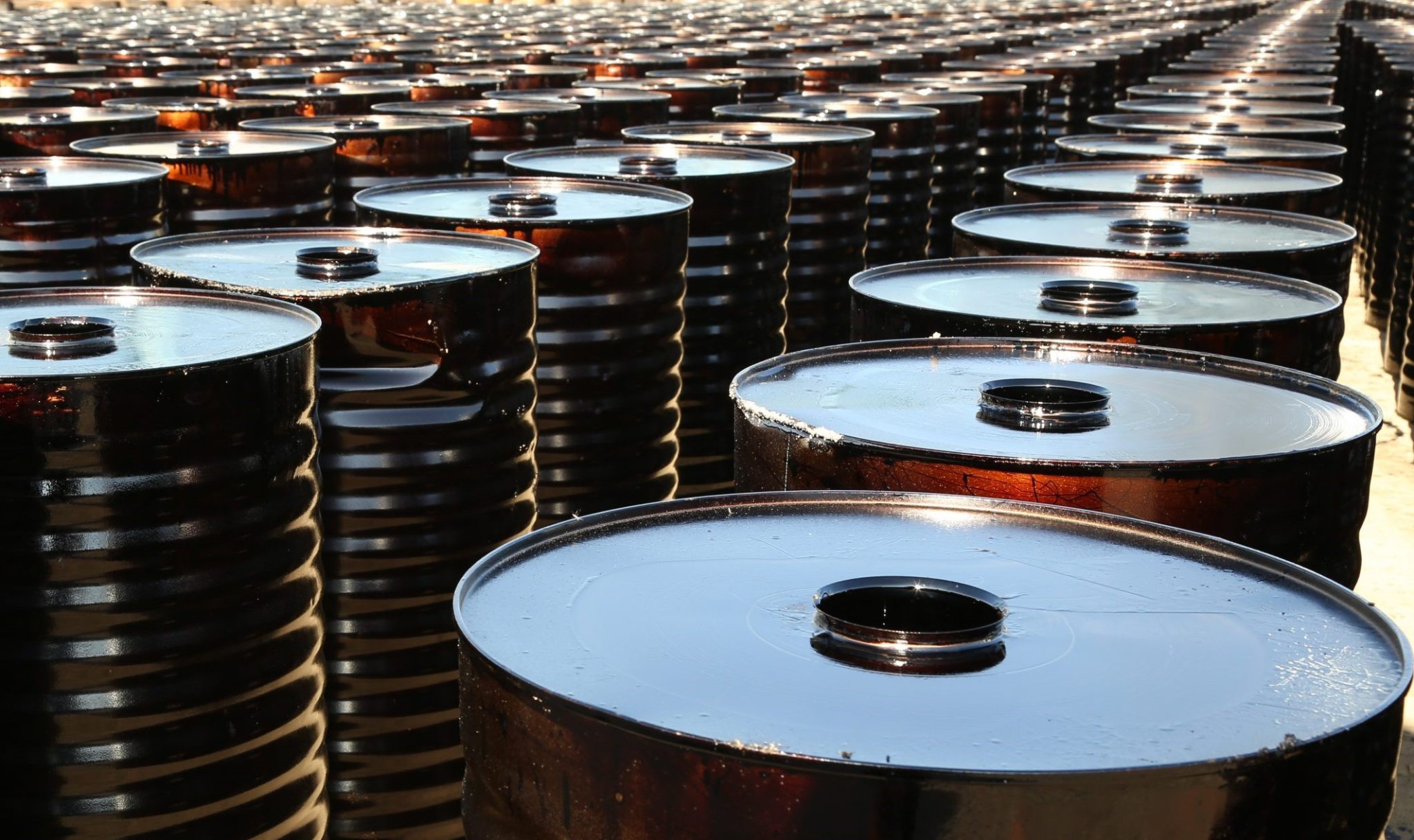
-
Viscosity Grade (VG) Bitumen: Engineered based on viscosity at 60°C for more precise performance control.
Available Grades: VG-10, VG-20, VG-30 — widely used in India and tropical regions requiring high-stress resistance.
-
Oxidized Bitumen (AR): Air-blown bitumen with higher softening point and lower penetration.
Common Grades: 85/25, 95/25 — used in roofing felts, pipe coating, and industrial waterproofing.
-
Performance Grade (PG) Bitumen: Designed according to Superpave specifications for performance in specific temperature ranges.
Examples: PG 64-22, PG 70-22 — used in highways and airport runways in North America and high-stress environments.
-
Polymer Modified Bitumen (PMB / SBS): Polymer-modified bitumen with improved elasticity and temperature resistance.
Used in: High-traffic roads, bridge decks, and areas with heavy thermal cycling.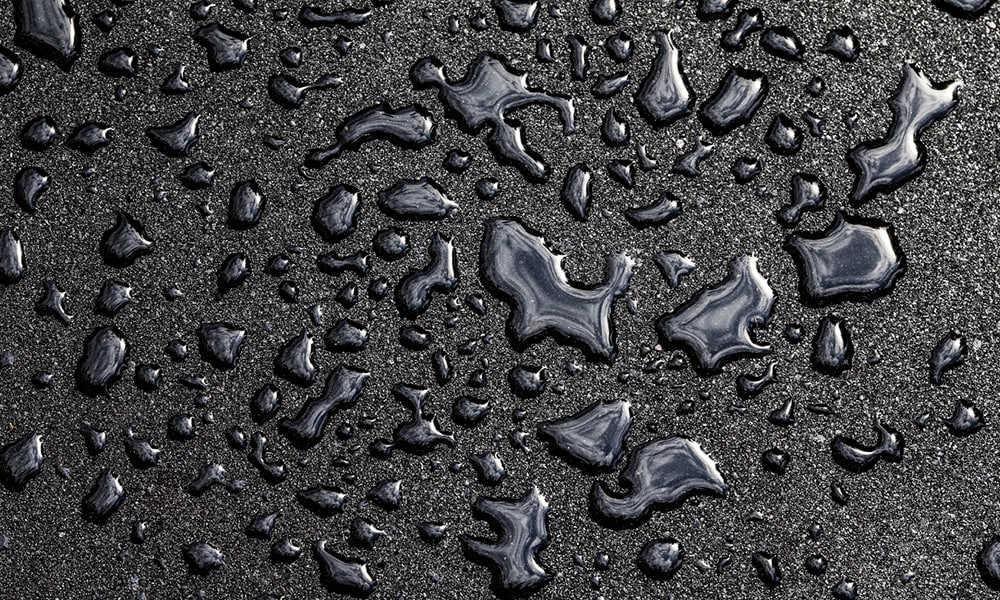
-
Cutback Bitumen (MC, RC, SC): Bitumen diluted with solvent (naphtha, kerosene) for temporary fluidity.
Types: MC-30, RC-250 — used in cold regions and base sealing.
-
Bitumen Emulsion (Cationic & Anionic): Water-based dispersion of bitumen droplets — allows cold application without heating.
Types: Cationic (CE), Anionic (AE) — used in chip sealing, surface dressing, and maintenance.
-
Gilsonite (Natural Asphalt): Naturally occurring hard hydrocarbon — not refined like conventional bitumen.
Ideal for: Drilling muds, foundry resins, ink manufacturing, and specialty coatings.
Applications
- Road Construction: Primary use — mixed with aggregates to form durable asphalt layers.
- Roofing Membranes: Base material in SBS, APP, and bituminous felt systems.
- Waterproofing: Basements, tunnels, bridges, and dams.
- Industrial Flooring: Chemical-resistant surfaces in factories.
- Pipe Coating: Anti-corrosion layer for buried steel pipes.
- Sound & Vibration Damping: In railways and building slabs.
- Oilfield & Foundry: Gilsonite used in drilling fluids and resin production.
Packaging & Export Logistics
- Jumbo Bags: 1 MT — stackable, moisture-resistant
- Steel Drums: 170–180 kg — for small orders or remote sites
- Bulk Tankers: Heated ISO tanks (20–24 MT)
- Flexi-Tanks: 18–22 MT in 20ft containers
Loading Ports: Bandar Abbas, Kharg Island, Imam Khomeini Port
Export Capacity: Over 5 million metric tons per year
Delivery Terms: FOB, CFR, CIF — flexible based on buyer’s request
Target Markets: India, Turkey, Egypt, Nigeria, Vietnam, Indonesia, CIS countries
Why Global Buyers Choose Iranian Bitumen
- Proven Quality: Decades of successful use in challenging environments.
- Competitive Pricing: Lower cost than Gulf or European suppliers — without sacrificing performance.
- Reliable Supply: Year-round production and strong government support for exports.
- Multiple Types: From Pen to Gilsonite — meets diverse project needs.
- Experienced Exporters: Fast loading, documentation, and shipping coordination.
- Custom Solutions: Private labeling, blended grades, and technical assistance available.
Certifications & Compliance
- ISO 9001 Certified Production Facilities
- Compliance with ASTM, EN, GOST, and AASHTO Standards
- Pre-Shipment Inspection by SGS, Bureau Veritas, or Buyer-Nominated Agency
- Certificate of Origin (Form A / Form IRAN)
- Batch-Specific Quality Reports
Frequently Asked Questions
A: Detailed test reports (penetration, softening point, ductility, spot test, solubility, flash point) are available on our product-specific pages. Visit https://janis-group.com/types-of-bitumen/ to explore all types.
A: Yes — free samples (1–5 kg) are available upon submission of your company profile and intended use.
A: Yes — especially Pen 60/70 and VG-30 grades are excellent bases for SBS-modified bitumen used in high-performance pavements and roofing.
A: Gilsonite is a naturally occurring solid hydrocarbon mined in the USA and Iran. It has higher nitrogen content, faster curing, and unique properties ideal for drilling muds, inks, and foundry resins — unlike refinery-derived bitumen.
A: PG Bitumen is designed according to Superpave specifications (e.g., PG 64-22) to perform reliably in specific climate zones — commonly used in North America, military bases, and high-stress pavements.
A: Yes — we support OEM and private label packaging for large-volume buyers.
A: Yes — due to solvent emissions, its use is declining. However, it’s still requested for temporary sealing in cold regions where heating equipment isn’t available.
A: No — emulsions require dry conditions to break and cure properly. Application should be avoided during rain or high humidity.
A: Yes — we also supply SBS-modified PG grades upon request for enhanced rutting and fatigue resistance.
A: AR grades comply with national and international standards for softening point, drop time, and brittleness — suitable for industrial waterproofing and roofing.
📌 Looking for reliable bitumen supply?
We supply all standard types of Iranian bitumen — with full technical support and export experience.
© 2025 janis business group. All rights reserved. For more information, visit our website.